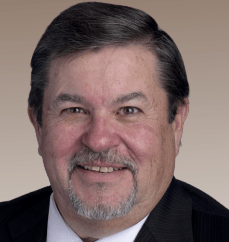
House: White, Maberry, Moody, Todd, Bricken, Bulso, Garrett, Capley
Senate: Seal, Crowe, Hensley, Reeves, Rose, Stevens
HB1834, titled the “Tennessee Religious Freedom Act,” amends Title 49 to authorize local boards of education to open their meetings with a prayer led by a member of the board, provided the prayer does not require participation from anyone present and no one is harassed or coerced to take part. In practice this is a permissive statute: it does not compel any board to hold prayers, nor does it create new boards, funding streams, or regulatory programs — it simply removes doubt about whether school boards may begin meetings with a prayer under those safeguards.
This matters from a conservative, originalist perspective because it affirms that religious expression has a place in the public square and protects the free exercise rights of local officials and community members. The bill respects individual conscience by expressly prohibiting compelled participation and harassment, and it leaves implementation to local boards — consistent with subsidiarity and local control. The primary practical risk is that terms like “harassed or coerced” can be litigated, but the operative effect is modest: it protects a traditional civic practice without expanding state authority or spending.
A project in partnership with
and the Tennessee grassroots.
A project in partnership with
and the Tennessee grassroots.
© 2026 Citizens for Limited Government and Constitutional Integrity, Inc. The Tennessee Legislative Report Card (TLRC) is a project of Tennessee Stands, an IRS-designated 501(c)(4) tax-exempt organization and registered Tennessee nonprofit. NOTE: Referral to websites not produced by TLRC is for informational purposes only and does not necessarily constitute an endorsement of the site’s content.